Property care
Why are snakes in my backyard?
A complete guide to food, water, shelter, access, seasonal activity, prevention, and safe next steps.
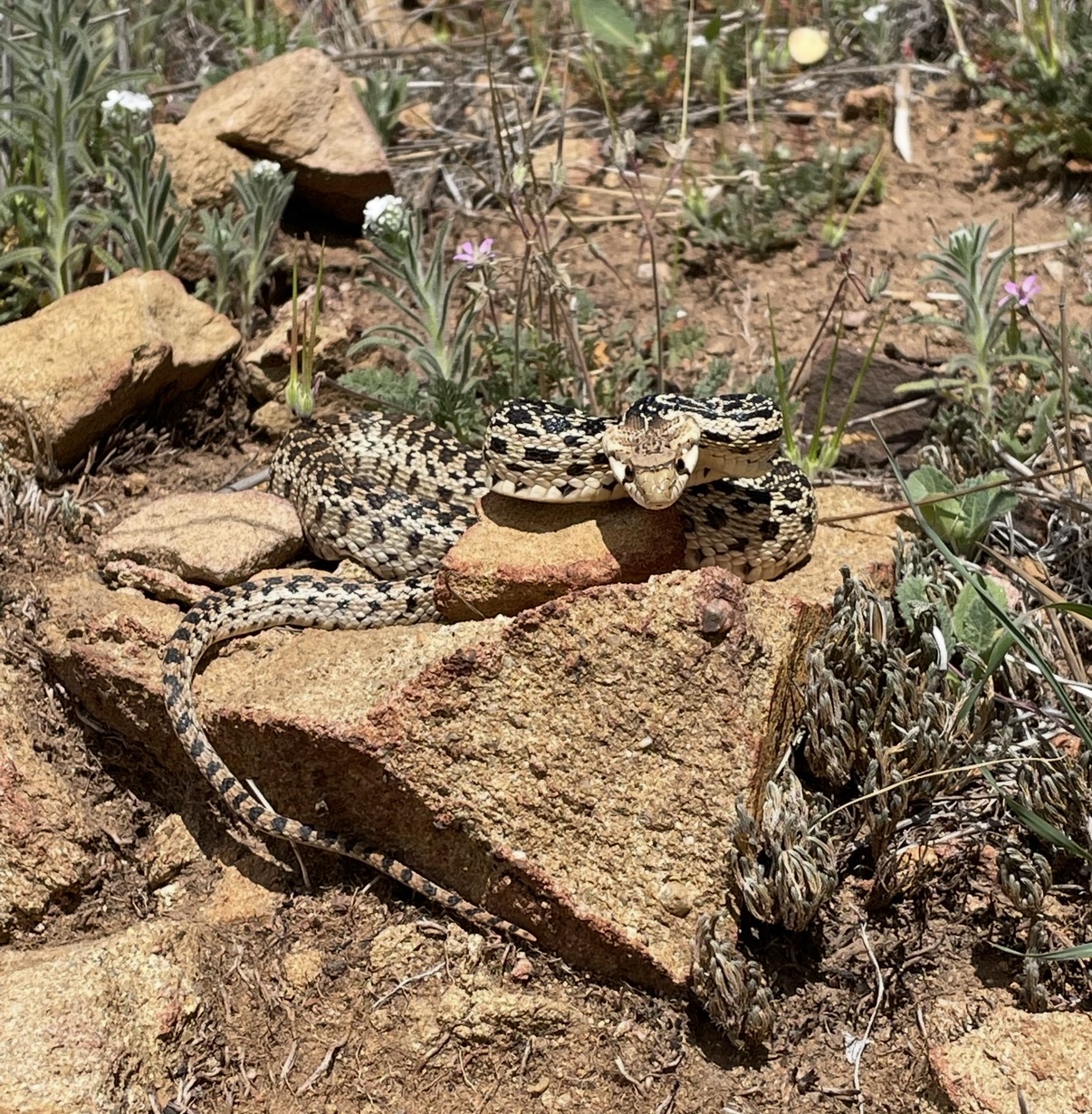
Finding a snake in your backyard can be surprising, and if you live in Southern California, it is not especially unusual.
Snakes do not normally enter yards because they are looking for people, pets, or trouble. In most cases, a snake is simply responding to something your property provides: food, water, shelter, warmth, shade, or a convenient route through the neighborhood.
Understanding why snakes appear is one of the best ways to reduce future encounters.
The important thing to remember is that seeing a snake does not necessarily mean you have a snake infestation. A snake may simply be passing through. However, repeated sightings can indicate that something around the property is making your yard particularly attractive to snakes.
This guide explains why snakes enter residential properties, what attracts them, what you can do to make your yard less inviting, and what to do if you encounter one.
Snakes Are Part of Southern California
Southern California is naturally excellent snake habitat.
The region combines warm temperatures, rocky hillsides, chaparral, open grassland, canyons, oak woodland, desert habitat, suburban landscaping, and abundant populations of rodents and lizards.
As homes and neighborhoods expand into these environments, people and wildlife increasingly share the same space.
A backyard may look completely residential to us, but to a snake it can contain many of the same features it would use in the wild:
- Rocks
- Retaining walls
- Bushes
- Ground cover
- Rodents
- Lizards
- Shade
- Water
- Warm pavement
- Wood piles
- Small gaps beneath structures
In many Southern California communities, especially those close to hillsides, open space, trails, creeks, canyons, or undeveloped land, occasionally seeing a snake should be considered a normal part of living alongside local wildlife.
What Attracts Snakes to a Backyard?
There is rarely one single reason.
Usually, several factors combine to make a property attractive.
The biggest reasons are food, shelter, water, temperature, and access.
1. Your Yard Has Food
One of the most important reasons snakes enter residential properties is simple:
There is something there to eat.
Depending on the snake species, prey may include:
- Mice
- Rats
- Gophers
- Small rabbits
- Lizards
- Frogs
- Birds
- Bird eggs
- Insects
- Other small animals
Rodents are particularly important.
If your property supports mice or rats, snakes may eventually discover them.
This does not mean that every yard with rodents will have snakes. But where prey is abundant, predators naturally follow.
Signs that rodents may be attracting snakes include:
- Droppings
- Burrows
- Gnaw marks
- Food disappearing overnight
- Activity around garages or sheds
- Rodents beneath decks
- Fallen birdseed
- Accessible pet food
- Open garbage or compost
- Fruit dropping from trees
Sometimes homeowners focus entirely on preventing snakes while overlooking the thing attracting them in the first place.
Reducing rodents can significantly reduce the reason for snakes to remain around a property.
2. Bird Feeders Can Indirectly Attract Snakes
A bird feeder does not normally attract a snake because the snake wants the birdseed.
The problem is what happens underneath it.
Birdseed falls onto the ground.
That seed can attract:
- Mice
- Rats
- Ground squirrels
- Other small animals
Those animals can then attract snakes.
The same issue can occur with chicken feed, rabbit food, outdoor pet food, livestock feed, or unsecured bags of seed.
If you have recurring snake sightings near a bird-feeding area, consider keeping the area underneath the feeder extremely clean.
3. Your Landscaping Provides Perfect Hiding Places
Snakes generally prefer avoiding exposure.
A completely open lawn offers relatively little protection.
A yard filled with dense vegetation, rocks, debris, and small protected spaces is very different.
Potential hiding places include:
- Thick ivy
- Dense ground cover
- Large shrubs
- Rock gardens
- Decorative boulders
- Stacked landscaping stones
- Firewood piles
- Lumber
- Building materials
- Tarps
- Storage areas
- Leaf piles
- Palm debris
- Heavy vegetation
- Spaces beneath sheds
- Spaces beneath decks
A snake may spend only a short period in one of these locations, or it may remain if the area provides both shelter and nearby food.
4. Wood Piles Are Excellent Snake Shelter
Firewood piles are especially attractive to wildlife because they contain countless dark spaces between pieces of wood.
Rodents may establish themselves inside or underneath the pile.
Once rodents are present, snakes may follow.
Whenever possible:
- Keep firewood neatly stacked.
- Avoid leaving wood directly against the house.
- Keep the area surrounding the pile clear.
- Be cautious when reaching into a pile.
- Use gloves when moving stored materials.
- Visually inspect an area before placing your hands somewhere you cannot see.
This applies not only to firewood but also to stacked bricks, roof tiles, lumber, construction materials, and unused equipment.
5. Water Can Bring Wildlife Into Your Yard
During Southern California's hot and dry periods, water becomes particularly valuable to wildlife.
Potential water sources include:
- Swimming pools
- Spas
- Ponds
- Irrigation
- Leaking faucets
- Leaking pipes
- Pet water bowls
- Bird baths
- Water features
- Sprinklers
- Drainage areas
- Air-conditioning condensation
A snake may occasionally be found near a pool or water feature.
Sometimes the snake was actively seeking water. In other cases, the area around the water supports frogs, lizards, insects, or rodents that the snake is hunting.
6. Swimming Pools Can Trap Snakes
A swimming pool can occasionally become a problem because a snake that enters the water may have difficulty finding a way back out.
This is one reason homeowners sometimes discover snakes swimming in pools or trapped near pool equipment.
A snake in a pool should still be treated cautiously.
Do not assume that being in the water makes it harmless or unable to bite.
Keep people and pets away and allow the snake space.
If you cannot safely allow it to leave on its own, contact someone experienced in snake removal.
7. Your Backyard May Simply Be on a Travel Route
Not every snake found in a yard lives there.
This is extremely important.
Snakes move through their habitat searching for:
- Food
- Shelter
- Water
- Mates
- Seasonal refuge
- Suitable temperatures
Your yard may simply sit between two places the snake is trying to reach.
For example, a snake might move:
Hillside → backyard → neighboring yard → drainage area
or
Open space → retaining wall → garden → canyon
The snake you see may therefore be passing through rather than establishing itself on your property.
One isolated sighting does not automatically mean multiple snakes are living nearby.
8. Homes Near Open Space Naturally See More Snakes
Properties bordering natural habitat generally have a higher chance of wildlife encounters.
Examples include homes near:
- Mountains
- Hiking trails
- Canyons
- Ranch land
- Creeks
- Open fields
- Nature preserves
- Chaparral
- Undeveloped lots
- Golf courses
- Large parks
In these locations, a fence represents a property boundary to humans.
To wildlife, it may mean very little.
Small gaps beneath gates or fences can easily allow a snake to move between natural habitat and residential landscaping.
9. Retaining Walls Can Be Excellent Snake Habitat
Retaining walls are extremely common in Southern California.
Depending on how they were constructed, they may contain numerous gaps and cavities.
Those spaces can provide:
- Shade
- Protection
- Stable temperatures
- Rodent habitat
- Lizard habitat
Older rock walls and loosely stacked stone walls can be particularly attractive.
If you repeatedly see snakes disappearing into the same wall, there may be accessible spaces inside it.
10. Garages Are Attractive Because They Are Protected
Occasionally a snake enters a garage.
Usually this happens because the garage provides a protected environment or because the door was left open long enough for the animal to enter.
A garage can offer:
- Shade
- Stable temperature
- Boxes
- Storage
- Rodents
- Dark corners
- Protection from predators
Snakes do not understand that a garage is part of someone's home.
To them, an open garage is simply another sheltered space.
Reducing clutter near walls and keeping garage doors closed when possible can make these encounters easier to prevent and manage.
11. Small Gaps Can Be Enough
Snakes can move through surprisingly small openings.
Possible access points include:
- Gaps beneath gates
- Spaces under fences
- Drainage openings
- Gaps beneath garage doors
- Utility openings
- Spaces around pipes
- Open crawl-space vents
- Damaged screens
- Gaps beneath sheds
A property does not need to have an obvious large opening for a snake to enter.
12. Warm Surfaces Attract Snakes
Snakes are ectothermic animals.
That means they rely heavily on their surroundings to regulate their body temperature.
During cooler periods, a snake may use sun-warmed surfaces such as:
- Concrete
- Asphalt
- Rocks
- Patios
- Driveways
- Walkways
- Retaining walls
This is why a snake may occasionally be seen lying in a very exposed location.
It may simply be regulating its body temperature.
13. Shade Becomes Important When It Is Hot
The opposite is also true.
When temperatures rise, snakes may seek cooler locations.
These can include:
- Beneath bushes
- Under patio furniture
- Beneath vehicles
- Under decks
- Garages
- Irrigated landscaping
- Shaded retaining walls
- Beneath outdoor equipment
This is why homeowners should be careful when reaching underneath objects or moving items that have been sitting outside.
Why Am I Suddenly Seeing Snakes When I Never Did Before?
It is common for someone to live in the same house for years and then suddenly begin seeing snakes.
Several things may have changed.
Weather
Temperature and rainfall influence snake activity as well as the populations of their prey.
Rodents
A new mouse or rat population may attract predators.
Landscaping
New irrigation, dense plants, wood piles, or construction materials may create shelter.
Nearby construction
Development can temporarily disturb wildlife and cause animals to move.
Vegetation clearing
Brush removal or habitat alteration on neighboring land can displace snakes.
Seasonal movement
Snakes naturally move more during certain periods of the year.
So a sudden appearance does not necessarily mean the overall snake population has suddenly exploded.
The animals may simply be more visible.
When Are Snakes Most Active in Southern California?
Snake activity changes with temperature and season.
During suitable weather, snakes may be active during daylight hours.
During very hot periods, activity may shift toward cooler parts of the day, including morning, evening, or nighttime.
This means you should not assume that snakes only appear during the day.
Warm evenings can be particularly important in snake country.
When walking outside at night, especially near natural habitat, use a flashlight and watch where you step.
Why Are There Rattlesnakes in Residential Neighborhoods?
Southern California contains native rattlesnake species, and residential development overlaps with their natural habitat.
A rattlesnake in a backyard did not necessarily "come into the city."
In many cases, the neighborhood itself was built within or beside rattlesnake habitat.
Canyons, hills, drainage systems, greenbelts, open spaces, and landscaped properties can create connected wildlife corridors.
A rattlesnake may travel through these areas just as other wildlife does.
Does One Rattlesnake Mean There Are More?
Not necessarily.
This is one of the most common concerns after a homeowner discovers a rattlesnake.
A single snake could simply be passing through.
Seeing one rattlesnake does not automatically mean you have a nest or den in your backyard.
However, repeated sightings in exactly the same area deserve more attention.
For example, if snakes repeatedly disappear beneath the same structure, inside the same retaining wall, or underneath the same shed, the location may be providing useful shelter.
Do Snakes Build Nests in Backyards?
People often imagine snakes creating a nest similar to birds or rodents.
That is generally not the best way to think about snake behavior.
Snakes may use protected locations for shelter, overwintering, giving birth, laying eggs depending on species, or escaping extreme temperatures.
But a snake seen crossing your patio is not necessarily evidence of a permanent "snake nest."
Are Snakes Aggressive?
Most snakes prefer avoiding humans.
A snake generally gains nothing from confronting a person hundreds of times larger than itself.
Problems occur when the animal feels:
- Cornered
- Threatened
- Stepped on
- Grabbed
- Restrained
- Attacked by a pet
A snake that remains motionless may be relying on camouflage rather than preparing to attack.
This is one reason accidentally stepping close to a snake can create a dangerous situation.
Giving the animal distance is almost always the safest response.
Will a Rattlesnake Always Rattle?
No.
You should never depend on hearing a rattle as your warning system.
A rattlesnake may remain completely silent.
It may rely on camouflage and hope you simply continue walking past.
Always look where you are stepping or placing your hands, particularly around rocks, vegetation, wood piles, and outdoor storage.
Can Snakes Climb?
Some snakes are capable climbers.
Depending on the species and surroundings, snakes may climb:
- Shrubs
- Trees
- Walls with suitable texture
- Fences
- Stacked objects
- Structures that provide footholds
This is another reason snake prevention involves more than simply checking the ground.
Can Snakes Enter the House?
It is possible, although most snake encounters occur outside.
A snake may enter through an open door or accessible gap, particularly if the building provides shelter or prey.
Potential entry points include:
- Open doors
- Garage doors
- Damaged screens
- Crawl spaces
- Utility penetrations
- Gaps beneath doors
Keeping exterior openings properly sealed reduces the likelihood of both rodents and snakes entering.
What Should I Do If I See a Snake in My Backyard?
The first rule is simple:
Give it space.
Do not attempt to:
- Pick it up
- Touch it
- Corner it
- Hit it
- Trap it with household objects
- Move it with a broom
- Grab it with improvised equipment
Keep children and pets away.
If the snake has a clear escape route and is moving away from the property, the safest solution may simply be to allow it to leave.
If the snake is somewhere that creates a genuine safety concern, contact a qualified snake-removal service.
Do Not Try to Identify a Snake From Close Range
People sometimes approach snakes because they want to determine whether the animal is dangerous.
That defeats the purpose.
If identification requires moving closer to the animal, do not do it.
Maintain a safe distance.
If possible, a photograph taken from a safe location may help with identification, but getting a photograph is never worth approaching a potentially venomous snake.
Keep Dogs Away From Snakes
Dogs are especially vulnerable because they often investigate unfamiliar animals with their noses.
A dog may:
- Approach a snake
- Bark at it
- Attempt to bite it
- Corner it
- Accidentally step on it
If you see a snake, bring pets indoors immediately if you can do so without approaching the snake.
In areas where rattlesnakes are common, supervising pets outdoors can significantly reduce risk.
Teaching Children About Snakes
Children living in snake country should understand a very simple rule:
If you see a snake, stop, move away, and tell an adult.
They should never attempt to:
- Catch it
- Touch it
- Poke it
- Throw things at it
- Pick up a snake they believe is dead
Teaching calm avoidance is far more useful than teaching children to fear every snake they encounter.
How Can I Make My Backyard Less Attractive to Snakes?
There is no way to guarantee that a snake will never enter an outdoor property.
However, you can remove many of the features that encourage them to remain.
Control Rodents
This is one of the most important steps.
Reduce:
- Accessible food
- Fallen birdseed
- Open trash
- Pet food left outdoors
- Rodent nesting areas
- Clutter
- Accessible feed
If there is a serious rodent problem, addressing it can remove one of the primary reasons snakes visit the property.
Reduce Clutter
Keep the perimeter of your property as organized and visible as practical.
Remove unnecessary:
- Boards
- Scrap material
- Tarps
- Boxes
- Piles of debris
- Abandoned equipment
- Dense leaf piles
The fewer protected hiding places available, the less attractive the property becomes.
Maintain Vegetation
Dense vegetation can provide both shelter and prey habitat.
Consider:
- Trimming excessive ground cover
- Keeping vegetation from becoming extremely dense
- Maintaining clear areas near structures
- Removing accumulated plant debris
The goal does not need to be turning your yard into bare concrete.
It is simply to eliminate unnecessary hiding areas.
Maintain Wood Piles
Keep firewood organized and inspect the surrounding area regularly.
Avoid reaching blindly between logs.
Check Fences and Gates
Look for obvious openings beneath:
- Gates
- Fences
- Walls
Snake-resistant fencing may be an option for certain properties, especially homes bordering open space.
However, installation details matter. A poorly designed barrier can leave gaps that wildlife continues to use.
Seal Building Openings
Inspect:
- Garage doors
- Crawl spaces
- Utility openings
- Door gaps
- Screens
This has the additional benefit of helping prevent rodents from entering structures.
Reduce Standing Water
Repair unnecessary leaks and avoid creating persistent water sources that attract wildlife.
This does not mean eliminating your pool or landscaping.
It simply means avoiding accidental sources of water where possible.
What About Snake Repellents?
Homeowners frequently look for a product they can sprinkle around the yard to permanently repel snakes.
Unfortunately, snake prevention is rarely that simple.
Changing the environment is generally far more sensible than relying on a single "repellent."
Focus on:
- Reducing rodents
- Removing shelter
- Managing vegetation
- Sealing access points
- Maintaining fences
- Reducing clutter
These changes address the reasons snakes may be visiting in the first place.
Are Snakes Beneficial?
Yes.
Snakes are predators and play an important role in natural ecosystems.
Many snakes consume animals that homeowners consider pests, particularly rodents.
A healthy ecosystem contains predators as well as prey.
For that reason, snake management does not necessarily need to mean killing every snake encountered.
When circumstances allow, humane removal and appropriate relocation or simply allowing a snake to continue on its way can resolve the immediate conflict while respecting the animal's role in the environment.
Not Every Snake Is a Rattlesnake
Southern California is home to multiple snake species.
Many are nonvenomous.
One of the unfortunate consequences of fear is that harmless snakes are sometimes killed because they are mistaken for rattlesnakes.
Unless you can confidently identify the animal from a safe distance, treat an unknown snake cautiously and leave it alone.
Professional identification can often prevent unnecessary harm to harmless native wildlife.
Why Killing a Snake Can Be More Dangerous Than Leaving It Alone
Attempting to kill or capture a snake forces you to move toward an animal that you should instead be moving away from.
That dramatically increases interaction.
A snake that was previously sitting quietly or attempting to escape may defend itself when cornered or attacked.
For homeowners, the safest approach is generally distance.
Do not turn a simple wildlife encounter into close physical contact.
What If the Snake Disappears?
This is one of the most frustrating situations.
You see a snake.
You go inside.
You return.
The snake is gone.
Unfortunately, snakes can disappear into vegetation or small hiding places very quickly.
Do not begin reaching under furniture, bushes, wood piles, rocks, or equipment trying to locate it with your hands.
Keep children and pets away from the area and use caution.
If the snake entered a garage, building, enclosed patio, or another location where it could create an ongoing safety concern, professional assistance may be appropriate.
What If I Find a Snake Inside My Garage?
Keep your distance and avoid filling the garage with people trying to locate it.
If possible without approaching the snake:
- Keep children away.
- Keep pets away.
- Avoid moving boxes or objects around it.
- Maintain visual contact from a safe location.
- Contact a snake-removal professional if necessary.
Knowing the snake's last location can make removal considerably easier.
What If I Find a Snake Near the Front Door?
Do not attempt to step over it.
Use another entrance if one is safely accessible and keep other people away.
In many cases the snake may move away once it no longer feels disturbed.
If it remains in a location that prevents safe access to the home, professional removal may be appropriate.
What If I Find a Rattlesnake Near My Children or Pets?
Move people and animals away from the snake immediately.
Do not attempt to distract the snake by approaching it.
Once everyone is safely separated from the animal, you can decide whether the snake has a clear route to leave or whether professional removal is necessary.
What Should I Do If Someone Is Bitten?
A suspected venomous snakebite is a medical emergency.
Call 911 or seek emergency medical assistance immediately.
Do not waste time attempting to capture or kill the snake for identification.
Do not attempt dangerous home remedies.
The priority is getting the patient appropriate professional medical care as quickly as possible.
Should I Be Afraid to Use My Backyard?
No.
Living in Southern California means living alongside wildlife.
That can include:
- Coyotes
- Bobcats
- Hawks
- Owls
- Lizards
- Snakes
Awareness is more useful than fear.
A few simple habits can greatly reduce risk:
- Look before reaching into hidden areas.
- Use a flashlight outside at night.
- Supervise pets.
- Keep children informed.
- Reduce clutter.
- Control rodents.
- Maintain landscaping.
- Give snakes plenty of space.
Most encounters end without incident.
Why Does the Snake Keep Coming Back?
It may not actually be the same snake.
Repeated sightings can occur because your property lies along a natural movement corridor.
However, if snakes repeatedly appear around the same structure, investigate what that location offers.
Ask yourself:
Is there food?
Are rodents living nearby?
Is there water?
Is irrigation or another water source attracting wildlife?
Is there shelter?
Are there rocks, wood, vegetation, or structural gaps?
Is there easy access?
Does the property border open land, a canyon, drainage channel, or hillside?
Rather than asking only:
"How do I get rid of the snake?"
it is often more useful to ask:
"Why did the snake choose this location?"
That question can help prevent future encounters.
A Snake in Your Backyard Is Usually There for a Reason
A snake does not recognize your property line.
It sees habitat.
If your backyard provides prey, shelter, water, warmth, shade, or a pathway between natural areas, a snake may eventually pass through.
The good news is that homeowners can often make their properties considerably less attractive by addressing these factors.
Remember:
Food attracts prey. Prey attracts predators. Clutter provides shelter. Openings provide access.
Managing these four factors can make a significant difference.
Frequently Asked Questions About Backyard Snakes
Does seeing one snake mean I have a snake problem?
No. A single snake may simply be traveling through your property.
Repeated sightings, particularly in exactly the same location, may justify investigating nearby food sources, rodents, shelter, or structural gaps.
Why is a snake sitting on my patio?
The patio may provide warmth, shade, nearby prey, or simply a convenient path through the property.
Why are snakes near my pool?
Pools and surrounding landscaping can provide water, cooler temperatures, and habitat for prey. Snakes may also accidentally enter pools while moving through a property.
Why are snakes near my house?
The area around a house often contains exactly what wildlife needs: landscaping, shade, rodents, irrigation, retaining walls, and protected spaces.
Do dogs keep snakes away?
Do not depend on dogs as snake deterrents.
Dogs may actually approach snakes and place themselves at risk.
Do cats keep snakes away?
Cats may reduce some rodent activity but should not be considered reliable snake prevention. An encounter between a pet and a venomous snake can be dangerous for both animals.
Should I move a snake myself?
If you are not trained and equipped to handle snakes, especially potentially venomous species, maintaining distance is considerably safer than attempting physical removal.
Will the snake leave on its own?
Often, yes.
If a snake has an unobstructed escape route and is not being approached or cornered, it may simply continue moving.
However, circumstances differ, particularly if the animal is inside a structure or trapped in an enclosed area.
Should I kill a rattlesnake in my yard?
Approaching a rattlesnake in order to kill it unnecessarily increases your interaction with the animal.
From a safety standpoint, creating distance and using professional removal when necessary is a much better approach.
Professional Snake Removal in Southern California
Sometimes leaving a snake alone is the best option.
Sometimes it isn't.
A snake beside a hiking trail several hundred feet away may require no intervention at all.
A rattlesnake beside your front door, inside your garage, next to a children's play area, or trapped in a residential property creates a very different situation.
When a snake cannot safely be left where it is, professional removal can help separate people, pets, and wildlife without unnecessary risk.
Our approach is centered around safe, humane snake removal and relocation whenever appropriate, with respect for both the people involved and Southern California's native wildlife.
If you find a snake:
Keep your distance. Bring children and pets inside. Do not attempt to handle it. If possible, keep track of its location from a safe distance. Contact us if removal is needed.
A snake in your backyard can be unsettling, but it usually isn't there because it wants anything to do with you.
It is simply trying to survive in the same Southern California environment that we call home.